
Bookkeeping
Income statement ︎ definition, example, structure and difference balance sheet

It tracks the company’s revenue, expenses, gains, and losses during a set period. Losses in an income statement depict financial detriments incurred due to transactions unrelated https://peruflex.pe/bookkeeping/what-to-know-about-bookkeeping-for-hoas/ to primary business operations. Examples include losses from asset sales below their book value or damage from unforeseen events like natural disasters. Losses reduce overall profitability and, unlike regular operational expenses, often occur sporadically.
Benefits of a multi-step income statement for small businesses

The difference is computed and subjected to income tax to get the net income. An income statement is a financial statement that lays out a company’s revenue, expenses, gains, and losses during a set accounting period. It provides valuable insights into various aspects of a business, including its overall profitability and earnings per share. The income statement provides financial information to the users, such as shareholders, investors, lenders, and suppliers, on how the company is doing during the accounting period. In this case, the users can use the income statement, together with other financial statements, such as balance sheet and statement of cash flows, to make a business decision involving the company.
- For example, a retailer’s operating revenue comes from sales of merchandise, while a consulting firm earns it through service fees.
- These are costs your company generates that aren’t related to the production of a product.
- This involves material and labor expenses linked directly to product creation.
- Revenues are the first element of income statement which always stays on top.
- A single-step income statement is a simplified approach to viewing your net profit or loss.
- Expenses are the second element of income statement which consists of two main categories which are the cost of goods sold and operating expenses.
Revenues

Gains are the earnings produced outside of the sale of your main goods or services. Cost of goods sold equal to the beginning of inventories plus purchase during the period less ending inventories. Costs of goods should be increasing or decreasing consistently with the revenues fluctuation. If the trend goes in a different direction, either costs or revenues are what accounts are found on income statement not correctly recorded or reported. Since these records are prepared internally, there are chances of manipulation and forgery.
Format
Understanding these income statement differences is key for anyone in corporate finance. For a business to succeed, understanding and making the most of gross profit is key. It influences pricing, cost management, and many strategic decisions in competitive markets. The Cost of Goods Sold is very important for a business’s finances. This includes costs of inventory, work, and overhead for making the products. Revenues come from several sources; while expenses are incurred for different purposes in conducting business.
- These costs include wages, depreciation, and interest expense among others.
- By dissecting revenue streams, evaluate which segments are thriving and identify potential areas for growth, ensuring that the ending balance is accurately reflected at period end.
- Cost of goods and services in an income statement denote the expenses incurred to sell the final goods.
- Revenues are presented at the top part of the income statement, followed by the expenses.
- These include rent, salaries, and utilities, as well as SG&A expenses.
- An organization located in a unique industry may find that it requires additional accounts beyond the ones noted here.
What Are Operating Expenses?
- Creditors are often more concerned about a company’s future cash flows than its past profitability.
- Also called other sundry income, gains indicate the net money made from other activities like the sale of long-term assets.
- Losses reduce overall profitability and, unlike regular operational expenses, often occur sporadically.
- When you depreciate assets, you can plan how much money is written off each year, giving you more control over your finances.
- This is the total amount of revenues that the entity generates in the reporting period.
- It influences pricing, cost management, and many strategic decisions in competitive markets.
An income statement illustrates a company’s financial performance over a period of time, like a video recording of activities. It shows revenues earned and expenses incurred during that timeframe. Nonoperating revenues or income, nonoperating expenses, gains, and losses result from activities outside of the company’s main business activities. Common examples for retailers and manufacturers include investment income, interest expense, and the gain or loss on the sale of equipment that had Oil And Gas Accounting been used in the business. The income statement, also called the profit and loss statement, is a report that shows the income, expenses, and resulting profits or losses of a company during a specific time period.

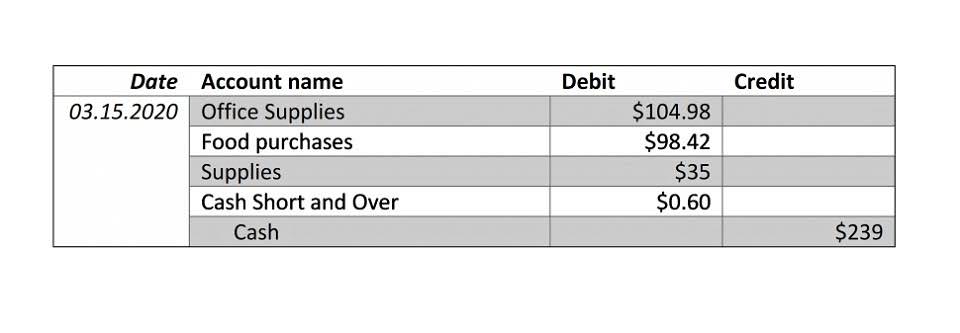
This enhances stakeholder confidence and ensures that the income statement reliably reflects the financial performance of the business. This income includes interest, dividend earnings, rent, and profit from selling non-business assets. These include rent, salaries, and utilities, as well as SG&A expenses.
